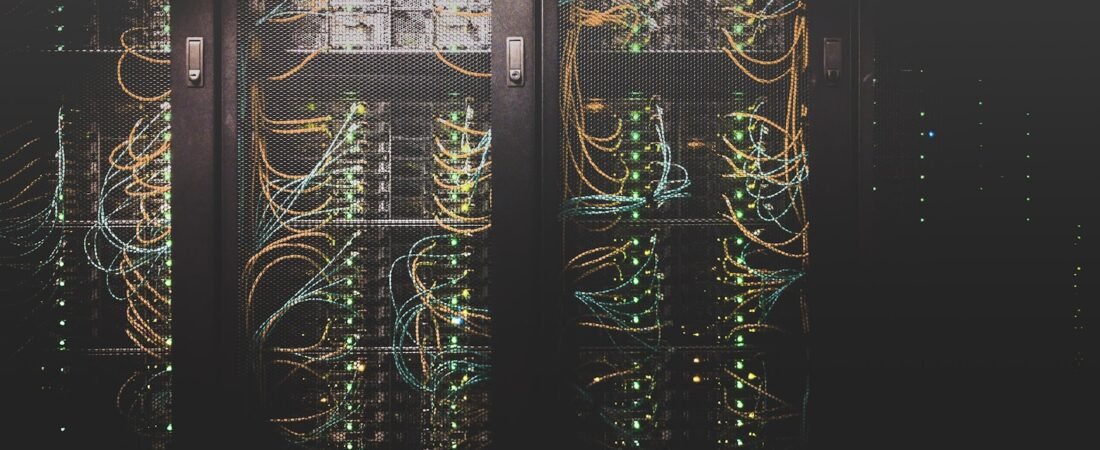
On September 3, ChatGPT, Claude, and Grok all buckled within the same 90-minute window, and the cause was not three separate AI failures. It was one Microsoft Azure regional outage that all three happen to lean on for compute. Google’s Gemini, running on Google’s own infrastructure, stayed largely upright. For any business that has quietly made one AI chatbot part of its daily workflow, this is the exact scenario worth planning around, not reacting to after the fact.
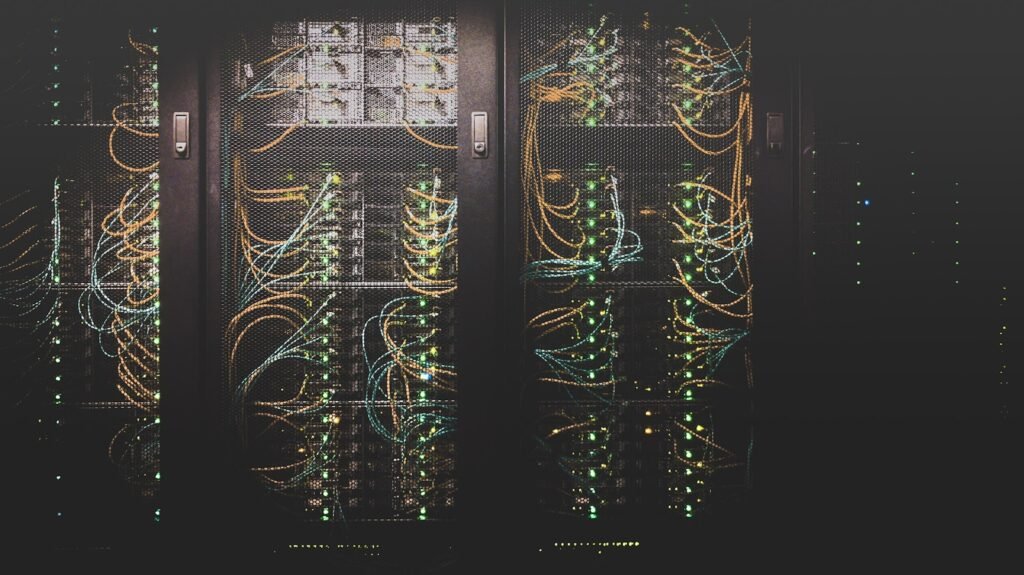
A regional cloud failure, not a bug in any single chatbot, took three AI tools down at once. Photo by Taylor Vick on Unsplash.
What Happened
Starting Thursday morning US time on September 3, users of ChatGPT, Claude, and Grok began reporting outages within minutes of each other. Downdetector logged more than 37,000 reports for ChatGPT, roughly 1,300 for Claude, and about 1,365 for Grok at the peak. Google’s Gemini showed only a fraction of that activity, around 500 reports, and never issued a confirmed outage notice.
OpenAI’s status dashboard reported ChatGPT and Codex experiencing elevated errors. Anthropic’s dashboard showed outages across specific Claude models before recovering to baseline. xAI confirmed Grok was affected and said it was working the problem; the company separately attributed part of the disruption to an issue at a Memphis compute facility. Multiple outlets, including Axios, pointed to the common thread: a regional failure inside Microsoft Azure’s East US infrastructure, the same cloud backbone that OpenAI, and to a lesser extent Anthropic and xAI, lean on for a meaningful share of production traffic.
Why the Overlap Happened
OpenAI’s relationship with Microsoft runs deep, built on a multi-billion-dollar investment and tight Azure integration that gives ChatGPT enormous compute access at the cost of tying its uptime closely to Azure’s regional health. Anthropic has generally run a multi-cloud strategy spanning AWS, Google Cloud, and Azure, but Thursday’s numbers suggest enough of Claude’s production traffic still routes through Azure-linked paths to produce a visible spike during the East US failure. Grok showed a similar pattern.
Gemini was the clear outlier. Because it runs on infrastructure Google owns and operates itself, from custom chips through its own data center network, it had no equivalent exposure to an Azure-specific failure. That is not a claim that Gemini is more reliable in general, only that this particular incident could not touch it the way it touched the other three.
What This Means for Your Business
Our ChatGPT review and Perplexity review both flagged real, documented reliability issues at each company individually. This event is different in kind, not degree: it shows that even businesses who diversified by using more than one AI chatbot may still share a single point of failure underneath, because several major providers ultimately lean on the same handful of cloud regions.
Using two AI chatbots is not automatically a backup plan
If your fallback for a ChatGPT outage is Claude, and both lean on Azure infrastructure in the same region, you do not actually have redundancy, you have two logins to the same underlying risk. A genuine backup means checking what cloud infrastructure a tool actually runs on, not just picking a second brand name.
A customer-facing AI tool needs a real fallback, not just a retry loop
If a chatbot handles customer service, order support, or any live customer interaction, a 90-minute outage during business hours has a direct, measurable cost. A documented fallback, even something as simple as a static contact form or a human-staffed line that kicks in automatically, is worth having before the next outage rather than during it.
This is the first event of its kind in 2026, but not likely the last
Coverage of the incident noted this was the first time in 2026 that three separate, competing AI labs visibly went down in the same rough window rather than one at a time. As more of these providers converge on the same small set of hyperscale cloud regions, correlated outages are a structural risk worth planning for, not a one-off fluke.
Frequently Asked Questions
What caused the September 3 AI outage?
A regional failure inside Microsoft Azure’s East US infrastructure, which OpenAI, and to a lesser degree Anthropic and xAI, rely on for a meaningful share of production traffic. xAI also cited a separate issue at a Memphis compute facility affecting Grok specifically.
Why was Gemini not affected?
Gemini runs on infrastructure Google owns and operates itself, from custom chips through its own data centers and network, so it had no direct exposure to an Azure-specific regional failure.
How long did the outage last?
Most reporting describes the core disruption as lasting roughly 90 minutes, though some services showed lingering, smaller issues afterward as systems returned fully to baseline.
Should my business stop relying on AI chatbots after this?
Not necessarily. The realistic takeaway is to know what infrastructure your tools actually depend on and have a real fallback ready, whether that is a second tool on genuinely different infrastructure or a simple manual process, rather than assuming a brand-name backup is automatically a different point of failure.
This connects to reliability points already raised in our ChatGPT Review and Perplexity AI Review, and to our earlier coverage of OpenAI’s Astra model for the broader AI-risk picture.